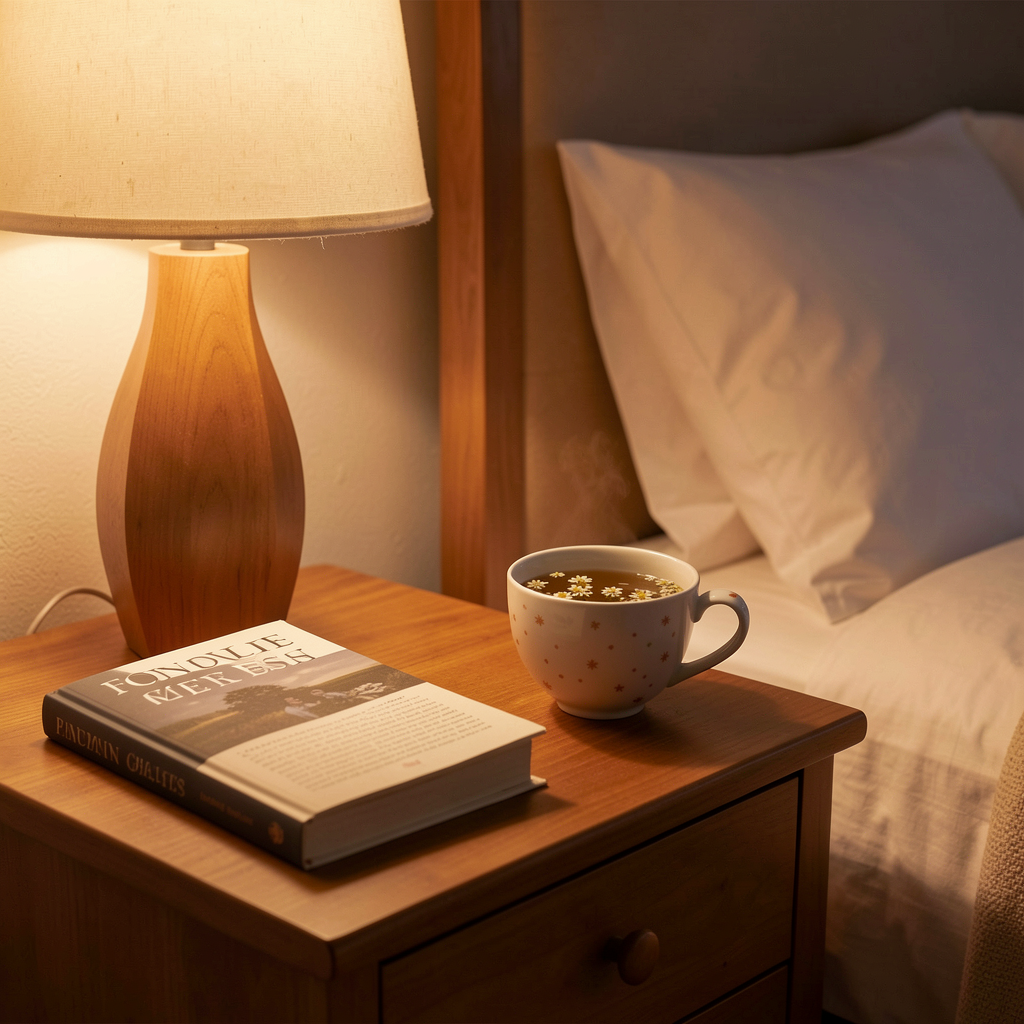
Sleep Science
The Circadian Blueprint: Optimizing Sleep Melatonin Naturally
How light exposure, temperature shifts, and consistent routines restore deep restorative sleep.
5 Min ReadYour mental health deserves the same care and attention as your physical well-being. From spending time outdoors to nourishing your body and creating healthier daily rhythms, these natural habits help build a calmer, more resilient life.

Reviewed

Improving your mental health naturally does not require a complete lifestyle overhaul. Small, repeatable choices can influence stress levels, mood, concentration, sleep, and your ability to cope with everyday challenges. The most effective approach is usually consistent rather than extreme: choose a few realistic habits, practice them regularly, and adjust them as your needs change.
Natural strategies work by supporting the foundations of well-being. Movement can help regulate stress and increase energy. Nutritious food supplies the body and brain with essential building blocks. Sleep, sunlight, social connection, mindfulness, and time in nature can also support emotional balance. Together, these habits create conditions in which your mind can recover and function more effectively.
"It is useful to think of mental health as something you maintain, not a problem you must permanently solve."
— Sanctuary Core Clinical Philosophy
Some days will be productive and optimistic, while others may feel heavy or unsettled. A healthy routine should provide support during both types of days. Aim for progress that is sustainable, and avoid treating self-care as another demanding task on your schedule.
Select the single area that currently feels most depleted to see a recommended starting step:
Physical activity is one of the most accessible ways to support mental health. Movement can release muscle tension, improve biological circulation, promote more restorative sleep, and create a helpful psychological break from repetitive or anxious thoughts. It may also increase self-confidence by showing you that your body is capable of adapting and becoming stronger.
You do not need an intensive training plan to benefit. Brisk walking, cycling, swimming, dancing, gardening, stretching, and household chores all count. The best activity is one you can perform safely and repeat without dread. If you are currently inactive, start with five or ten minutes and increase gradually. A short routine that happens most days is far more useful than an ambitious workout that leaves you exhausted and discouraged.
Combines low-impact movement with sunlight exposure to set your circadian rhythm and trigger early serotonin release.
Signals to your parasympathetic nervous system that the workday is complete, discharging physical tension accumulated at desks.
Enjoyment is a practical tool for consistency. If you dislike running, you do not need to force yourself to run. Try music-based workouts, a scenic walk, beginner yoga, strength exercises at home, or an activity you enjoyed as a child. Variety can prevent boredom and allow you to match movement to your daily energy level.
Set process-based goals rather than perfection-based goals. For example, aim to move for twenty minutes on four days this week instead of promising yourself an intense workout every day. Keep comfortable shoes visible, schedule activity alongside an existing habit, or invite someone to join you. These small environmental changes reduce the amount of motivation required.
The brain needs a steady supply of energy and nutrients to support attention, memory, and emotional regulation. Food cannot prevent every mental health difficulty, but a balanced eating pattern can help reduce avoidable fluctuations in blood sugar, energy, and mood. Regular meals also make it easier to notice whether tiredness or irritability is related to hunger.
Build meals around a combination of colorful vegetables or fruit, adequate protein, high-fiber carbohydrates, and healthy fats. Examples include oatmeal with berries and yogurt, a lentil and vegetable soup with whole-grain bread, or salmon with roasted vegetables and brown rice. Beans, eggs, tofu, nuts, seeds, leafy greens, and whole grains all fit into a varied pattern of eating.

Hydration matters too. Even mild dehydration can contribute to fatigue, headaches, and difficulty concentrating. Keep water available and drink regularly, especially during hot weather or exercise. Unsweetened tea, milk, and water-rich foods can all contribute to fluid intake without rigid rules.
Try to limit patterns that make you feel worse, such as relying heavily on ultra-processed snacks, skipping meals, or using large amounts of caffeine to compensate for poor sleep. Caffeine can increase restlessness or interfere with sleep architecture in some individuals, particularly when consumed later in the day. Alcohol may feel relaxing temporarily, but it disrupts sleep cycles and can make anxiety or low mood harder to manage the following day.
Caution on Supplements: Be cautious with supplements marketed as quick solutions for mental health. Some interact with prescription medications, affect medical conditions, or contain inconsistent ingredients. Discuss any supplement with a qualified health professional prior to use.
Mindfulness means paying attention to present-moment experience with curiosity rather than judgement. Even a few minutes of deliberate attention can create space between a stressful thought and your response to it.
Press start and sync your breath with the expanding pulse circle to immediately calm your nervous system.
Move your attention from your feet to your face, noticing areas that feel tight, numb, warm, or relaxed. Do not force anything to change; simply observe and soften what you can. Journaling offers a related benefit by helping you name emotions and separate objective facts from fearful assumptions.
Natural light and green spaces help your body recognize daytime rhythms, support healthy sleep melatonin production, and provide a restorative environment. Sit in a park, walk near water, tend plants, or eat a meal outdoors to notice trees, clouds, and changing natural light.
Technology connects, informs, and entertains us, but constant notifications keep the nervous system on alert. Protect your mental health by deciding when you are available instead of allowing every incoming ping to set the pace of your daily lives.
Consider turning off nonessential notifications, moving distracting apps away from your home screen, and creating screen-free periods around meals or bedtime. A charging station outside the bedroom can reduce late-night scrolling. If you use a device to relax, select content intentionally and notice whether it leaves you calmer or more activated.
Rest is not wasted time. Schedule small pauses before you feel depleted, and create an evening transition that separates work obligations from personal recovery. A tidy room, calming music, a warm shower, or a few pages of a book can become dependable biological cues that your day is slowing down.
Lifestyle habits are valuable, but they are not a substitute for professional clinical care when symptoms are persistent, severe, or interfering with daily life. Consider contacting a doctor, licensed therapist, or counselor if low mood, anxiety, irritability, hopelessness, severe sleep disruption, or loss of interest lasts for several weeks.
Using professional treatment does not mean you have failed to improve your mental health naturally; it means you are choosing the appropriate level of care that fits your biological and psychological circumstances.
Free, confidential support available 24/7 across the UK.
*In an immediate emergency, always dial 999 or go to your nearest A&E.
Share evidence-informed wellness with friends and colleagues.
How light exposure, temperature shifts, and consistent routines restore deep restorative sleep.
5 Min Read
Exploring dietary fiber, fermented foods, and how intestinal health regulates neurotransmitters.
7 Min Read
Simple written exercises to separate catastrophic thoughts from objective reality.
6 Min Read